
An Overview of Jewish Funeral Traditions

Hand on top of a casket at a funeral

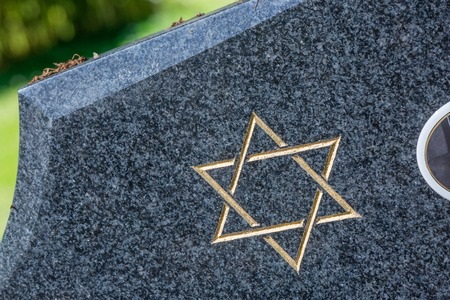
Jewish funeral traditions reflect deeply held values of dignity, simplicity, respect, and community. While customs may differ among families and Jewish movements, many practices share the goal of honoring the deceased while providing a meaningful way for loved ones to begin the mourning process. Incorporating some of these traditions can make an emotionally difficult time a little easier to navigate.

When and Where Are Jewish Funerals Held?

Traditionally, Jewish burial takes place as soon as reasonably possible following death, although timing may be affected by Shabbat, Jewish holidays, travel needs, legal requirements, and other circumstances. Determining when the service will occur is therefore one of the first considerations when planning a Jewish funeral.

The location is another important decision. Jewish funeral services may be held at funeral homes, synagogues, family homes, or cemeteries. Some families choose a graveside service held entirely at the cemetery, while others prefer a service that begins at a funeral home, synagogue, or residence before proceeding to the burial site. The appropriate arrangement often depends on family traditions, practical considerations, and the wishes of the deceased.

Simplicity and Respect in Jewish Funeral Traditions

Jewish funerals are traditionally simple and focused on honoring the person who has died rather than creating an elaborate ceremony. Depending on the family’s customs, the service may include prayers, readings, psalms, and a eulogy reflecting on the deceased’s life and character.

Traditional practices also emphasize treating the body with dignity. In many Jewish communities, the deceased is prepared for burial according to specific customs and placed in a simple casket. Cremation and embalming have traditionally been discouraged, although practices can vary among individuals, families, and Jewish denominations.

At the cemetery, mourners may participate in placing earth onto the grave. This act can be deeply meaningful because it allows family and community members to take part personally in the mitzvah of burial.

What Happens After the Funeral?

Jewish mourning traditions continue beyond the burial. Shiva, traditionally observed for seven days, provides a dedicated period for mourning, remembrance, prayer, and support from family and community. Other mourning observances may continue for longer periods, helping mourners gradually return to everyday life while continuing to honor their loved one.

Every family brings its own history, customs, and circumstances to this process. For families in the Atlanta and Charleston areas who have questions about traditions, timing, service locations, or Jewish funeral and burial arrangements, Atlanta Jewish & Interfaith Wedding and Rabbi Lebow are here to provide knowledgeable guidance. Contact us to discuss planning a Jewish funeral for your loved one.

Why a Rabbi Is Perfect for Leading an Interfaith Wedding Ceremony

a romantic close-up of a bride and groom linking pinky fingers, showing their wedding rings in soft natural light.

Every couple deserves a wedding ceremony that reflects their shared values, honors their individual backgrounds, and celebrates the life they are building together. As such, an interfaith wedding often comes with important questions about traditions, family expectations, and creating a meaningful experience for everyone involved. A rabbi can play a unique role in bringing these elements together with warmth, respect, and understanding, helping couples create a ceremony that feels authentic and memorable.

A Rabbi Brings Balance, Tradition, and Inclusivity

Interfaith weddings are about celebrating love while acknowledging the unique journeys that have brought two people together. A rabbi is especially well-suited to guide these ceremonies because of the ability to honor Jewish traditions while remaining thoughtful and welcoming toward partners from different faith backgrounds.

Rather than focusing solely on religious customs, we work with couples to understand what matters most to them. Some couples want to include classic Jewish elements such as the chuppah, the Seven Blessings, or the breaking of the glass, while others prefer a more personalized ceremony that reflects both families’ traditions. A knowledgeable rabbi can explain the meaning behind each ritual, helping couples decide which customs best represent their relationship.

For many families, this balanced approach creates an atmosphere where everyone feels respected and included throughout the ceremony.

Creating a Ceremony That Reflects Your Story

No two interfaith couples share the same experiences, which is why every ceremony should be personalized. We spend time getting to know each couple, so the ceremony reflects their personalities, values, and vision for their future together. Whether you prefer a traditional structure, a contemporary celebration, or something in between, we can help create a ceremony that feels genuine and meaningful.

Throughout the planning process, we also help answer questions about Jewish wedding traditions, explain their significance, and offer guidance that makes planning less overwhelming. Interfaith wedding ceremony planning becomes much easier when couples have someone experienced to help navigate both practical decisions and meaningful moments.

Supporting Couples and Their Families

One of the greatest strengths a rabbi brings to an interfaith wedding is the ability to foster understanding between families with different religious or cultural backgrounds. Weddings often bring together loved ones with varying expectations, and thoughtful guidance can help create a ceremony where everyone feels welcome. The right rabbi can really highlight the right message, all while reflecting the couple’s wishes.

If you are planning an interfaith wedding in the Atlanta area and would like guidance from someone who understands both Jewish traditions and the importance of creating a personalized ceremony, contact us.

The Purpose and Importance of Baby Blessings

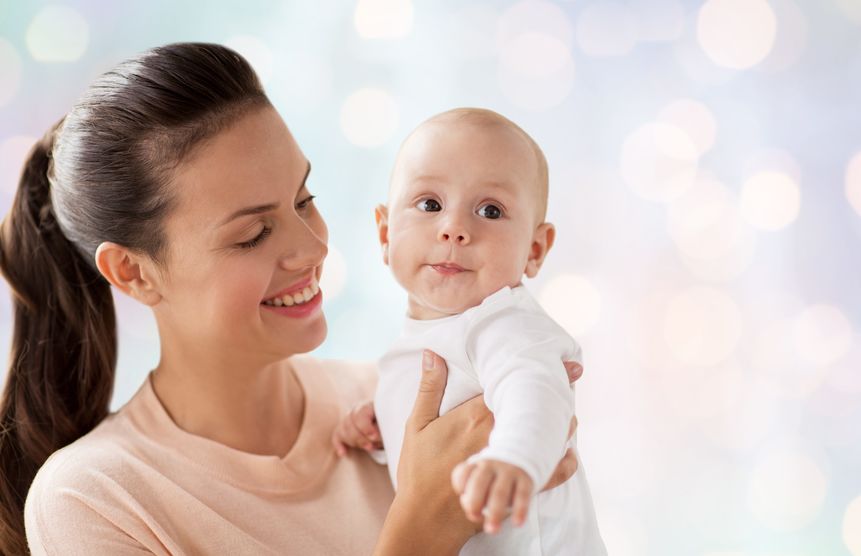
Happy mother and baby before baby blessing

Welcoming a new child into the world is one of life’s most meaningful milestones. Many couples choose to have their baby blessed by a Jewish rabbi. Undoubtedly, a baby blessing is more than a beautiful tradition, as it is also an opportunity to celebrate new life, express gratitude, and surround a child with love, hope, and community. Whether a family follows Jewish traditions, comes from an interfaith background, or is looking for a meaningful spiritual ceremony, a baby blessing creates a lasting memory while marking the beginning of a child’s unique journey.

Honoring Tradition While Embracing Every Family

For generations, Jewish families have celebrated the arrival of a child with blessings that acknowledge the importance of faith, family, and community. These ceremonies are an opportunity to officially welcome a child while offering prayers for a life filled with health, happiness, wisdom, and peace.

For baby boys, some families choose the traditional bris ceremony on the eighth day after birth. During this service, a mohel or physician performs the circumcision, while the rabbi leads the prayers and helps family and friends understand the significance of the occasion. Other families may decide that a bris is not the right choice for them, but still want a meaningful blessing. A baby blessing can be held in the hospital, at home, or another location that feels comfortable for the family.

A Meaningful Celebration for Boys and Girls

One of the most wonderful aspects of baby blessings is their flexibility. There is no single timeline that fits every family. While many parents choose to hold a blessing during their child’s first year, these ceremonies can be celebrated whenever the time is right. We have seen meaningful baby blessings and naming ceremonies take place for infants, toddlers, and even older children.

Baby blessings for girls are equally special and may be held when a daughter is just a few weeks old or later as the family prefers. The focus remains the same: celebrating the child’s arrival, recognizing the love that surrounds them, and offering prayers for a bright future. Through Jewish baby naming services, families can honor cherished traditions while creating a ceremony that reflects their own values and story.

Creating a Personal and Lasting Memory

Every family is unique, and therefore, every baby blessing should reflect that individuality. Whether the ceremony is traditionally Jewish or designed for an interfaith family, we work to create an experience that is warm, inclusive, and meaningful for everyone in attendance. A personalized blessing allows family members and friends to share in the joy of welcoming a new life while establishing memories that will be treasured for years to come.

If you are planning a blessing or naming ceremony for your child, we would be honored to help you create an occasion that reflects your family’s traditions and values. Contact us to learn more about our baby blessing and naming ceremonies in the Atlanta area.

Jewish Rituals to Consider for Your Wedding Ceremony

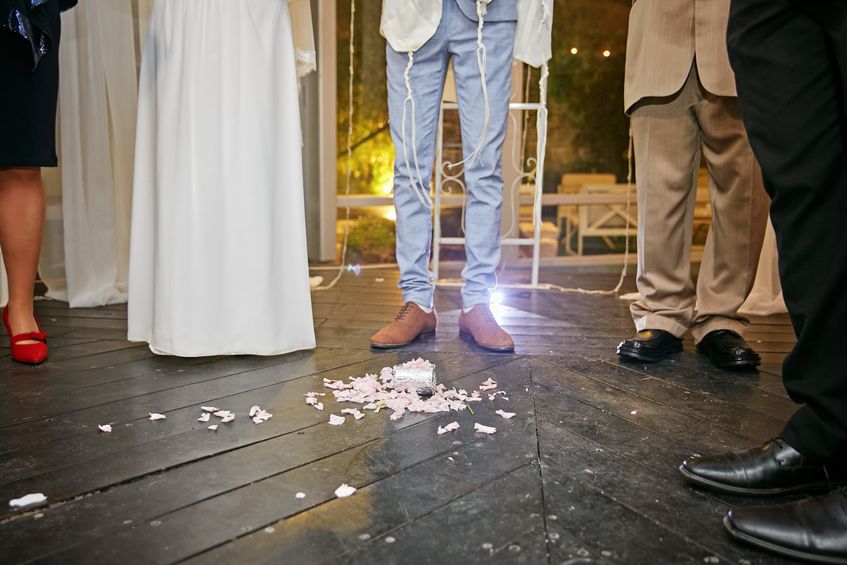
Groom breaking glass at a Jewish weddingYour wedding ceremony is one of the most meaningful moments of your life, and incorporating Jewish traditions can bring added depth, symbolism, and connection to your celebration. Led by Rabbi Steve Lebow, we work closely with couples to create ceremonies that honor heritage, reflect personal values, and feel authentic to their relationship. Whether you are planning a fully traditional Jewish wedding or an interfaith ceremony with Jewish elements, there are many beautiful rituals to consider including in your special day.

The Meaning Behind the Chuppah

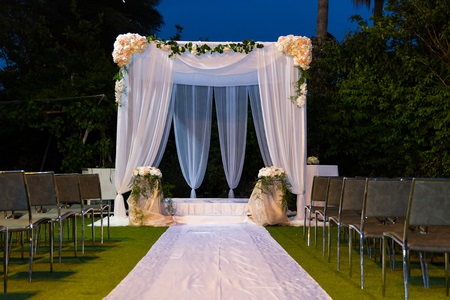
One of the most recognizable Jewish wedding traditions is the chuppah, the canopy under which the couple stands during the ceremony. The chuppah symbolizes the home you will build together and serves as a visual reminder of hospitality, unity, and love. Some couples choose a traditional fabric covering, while others personalize the structure with family heirlooms, flowers, or meaningful materials.

Undoubtedly, a chuppah can become one of the most memorable and symbolic elements of the ceremony. It is also a wonderful opportunity to incorporate family traditions into your celebration.

Traditional Blessings and Ceremony Elements

Many couples choose to include classic Jewish wedding blessings and ceremonial moments, even in interfaith weddings. The Seven Blessings, also known as the Sheva Brachot, are a meaningful part of many ceremonies and celebrate joy, love, companionship, and community. These blessings can be read in Hebrew, English, or a combination of both.

Another important tradition is the exchange of rings accompanied by personal vows or traditional wording. Couples may also choose to include the signing of the ketubah, a Jewish marriage contract that represents commitment and partnership.

For interfaith couples, we can help blend traditions in a way that feels inclusive and respectful to both families. Rabbi Steve Lebow has years of experience creating ceremonies that balance tradition with personalization, allowing every couple to feel comfortable and celebrated. If you are planning an interfaith celebration, our interfaith wedding services can help create a ceremony that honors both backgrounds beautifully.

Breaking the Glass and Celebrating Together

The breaking of the glass is often one of the most anticipated moments of a Jewish wedding ceremony. While there are several interpretations of its meaning, many couples appreciate it as a reminder that life includes both joy and challenges, and that marriage is a commitment through all of life’s experiences. Immediately after the glass is broken, guests traditionally shout “Mazel Tov!” as the celebration begins.

This moment also creates a joyful transition from the ceremony into the reception. Many couples love the sense of energy and connection it brings to the event.

Whether you want a traditional Jewish service, an interfaith ceremony, or a secular celebration with Jewish elements, we are here to help guide you through the process and create a ceremony that reflects your love story. Contact us today to learn more about our custom wedding ceremonies.

The Importance of Hiring the Right Officiant for Jewish Funerals

Two people holding hands at a Jewish funeral in front of candles and flowers.When facing the loss of a loved one, every decision carries deep emotional and spiritual weight. One of the most important choices a family can make is selecting the right officiant to guide the funeral service. An experienced and compassionate officiant helps ensure that this sacred moment is handled with care, dignity, and adherence to Jewish tradition.

Honoring Jewish Tradition with Care and Accuracy

Jewish funerals are rooted in centuries of tradition, emphasizing simplicity, respect, and dignity for the deceased. While each service can be customized to reflect the life being honored, there are certain customs that should be observed properly. From coordinating timely burials to incorporating the appropriate prayers and rituals, having a knowledgeable officiant is crucial.

Atlanta Jewish & Interfaith Wedding, led by Rabbi Lebow, works closely with families to guide them through these traditions while honoring their unique preferences. Whether the service takes place graveside or involves multiple locations, every element is approached with a deep understanding of Jewish law and customs. This ensures the service is both meaningful and spiritually appropriate.

Providing Guidance During Difficult Decisions

In times of grief, even seemingly simple decisions can feel overwhelming. Determining the location of the service, whether it will begin at the home or take place solely at the gravesite and deciding on timing are all important considerations. These details are at the heart of a proper Jewish funeral.

An experienced officiant provides clarity and support throughout this process. Families are guided through each step, with explanations and assistance that allows them to focus on honoring their loved one rather than worrying about logistics. This guidance helps ease uncertainty during an already difficult time.

Creating a Meaningful and Personal Tribute

While Jewish funerals are traditionally simple, they are also deeply personal. A well-led service reflects the individuality of the person being remembered while remaining rooted in meaningful tradition. Achieving this balance requires sensitivity, experience, and a strong understanding of both religious practices and emotional needs.

For those in the Atlanta area seeking guidance through this important process, Atlanta Jewish & Interfaith Wedding is here to help. Rabbi Lebow is dedicated to helping families create services that feel authentic and comforting. Through careful planning and open communication, each service becomes a respectful and heartfelt tribute that resonates with family and friends.

For more information about the Jewish funeral services we offer in Atlanta, contact us.

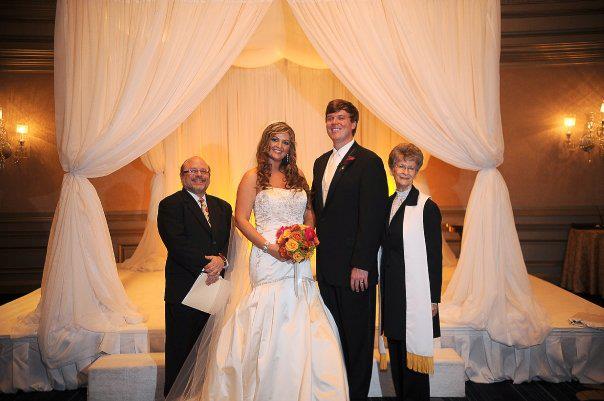
Tips for Picking the Right Rabbi for Your Wedding Ceremony

Rabbi leading a wedding ceremony

Few things are more exciting than planning your wedding. However, in order to make the most of your big day, it’s essential you choose the right person to lead your ceremony. Your rabbi officiant sets the tone for the entire celebration, guiding you, your family, and your guests through a meaningful and memorable moment.

So what should you look for when selecting a rabbi for a wedding ceremony?

Look for Experience and Versatility

A wedding ceremony is much more than just a script. As such, when selecting a rabbi, look for someone who has extensive experience officiating a variety of ceremonies, including Jewish, interfaith, and customized celebrations. An experienced rabbi knows how to seamlessly blend tradition with modern elements while maintaining the integrity and sanctity of the moment.

Experience means anticipating potential challenges, coordinating smoothly with planners and vendors, and ensuring that every aspect of the ceremony flows effortlessly. This level of professionalism creates a calm, confident atmosphere on your big day.

Make Sure Your Personalities Align

Your wedding ceremony should reflect who you are as a couple. The right rabbi will take the time to get to know you, your story, your values, and what matters most to you. During your initial conversations, pay attention to how comfortable you feel. Are you being heard? Does the rabbi seem genuinely interested in your journey?

We believe the perfect balance is being professional yet warm and approachable. Rabbi Lebow is known for being just the right mix of polished and fun, helping couples feel at ease throughout the entire process. When you feel relaxed and understood, that comfort naturally shines through during the ceremony itself.

Understand Their Approach to Interfaith and Custom Ceremonies

For many couples, blending different traditions is a meaningful part of their wedding day. It’s essential to ask how the rabbi approaches interfaith ceremonies and personalization. Flexibility, respect, and open communication are key.

Set the right tone for your wedding ceremony by selecting a rabbi who understands you and has the experience and skills to lead your big day. Rabbi Lebow leads weddings throughout the Atlanta area; contact us to learn more about our wedding officiant services.

Ideas for a Beautiful Wedding Chuppah

Ideas for a Beautiful Wedding ChuppahPlanning a wedding is all about the details, and when you’re planning a Jewish wedding, one important detail you must focus on is creating a wedding worthy chuppah.

The word chuppah is Hebrew for “covering,” and in a Jewish wedding ceremony, the chuppah is meant to symbolize the home that the new bride and groom will build together.

If you’re planning a Jewish wedding, consider creating a unique, beautiful chuppah for the ceremony that all of your guests will remember.

Circular Chuppah

Although you might feel like a chuppah has to be square, that isn’t necessarily true! Many brides and grooms end up going with a circular chuppah for their ceremony instead to create an entirely different atmosphere. With a circular chuppah, you can arrange the seats in a circle around you and your spouse, making the whole ceremony feel more intimate. (A great idea if you are having a smaller wedding!)

Floral Chuppah

You might be thinking about decorating your chuppah, and if you are, our absolute favorite go-to decoration option is fresh flowers! You can decorate the chuppah with a variety of fresh flowers that match your bouquet in order to give the entire wedding a beautiful and romantic vibe. Weaving fresh flowers into the chuppah’s frame can help to create a pretty, whimsical look.

Draped Chuppah

If you want to go for a dramatic, show-stopping look, consider hanging curtains or drapes from your chuppah. If you want to create an elegant wedding ceremony, this is the perfect way to do so. You can choose curtains or drapes that will match other portions of your décor but we love the classic white look.

If you’re in the midst of planning a Jewish or interfaith wedding and need a wedding officiant, contact Rabbi Lebow.

Handling the Holiday Season as an Interfaith Family

Holiday Season Tips for FamiliesIf you and your spouse practice two different faiths, you and your family may find the holiday season to be more difficult than other families. When two parents practice the same faith, it can often make the holiday season easier. But when one parent is Christian and the other is Jewish, it can present obstacles during the holidays, especially if you have kids.

Fortunately, there are steps that interfaith families can take to make sure everyone can enjoy the holidays following follow the faith of their choice.

Respect your spouse’s faith and talk openly about it.

Even though you and your spouse may not necessarily have the same belief system, it doesn’t mean that you can’t talk about your faiths and share the beliefs that you do have. This is especially important if you have children. Kids can often get caught up in the hoopla surrounding Hanukkah and Christmas and lose sight of what the holiday season is really all about. By speaking with your spouse and your kids about your specific faith, you can help them obtain a better understanding of it.

Plan for the holiday commitments of each spouse during the holidays.

You and your spouse will have different commitments during the holiday season as far as your faiths are concerned. The best way to avoid conflict is to plan for how you are going to honor your commitments and to lay out the expectations for them. Are you expecting your spouse to attend mass or go to the synagogue with you? If so, let them know this well ahead of time so that it doesn’t come as a surprise to them. Additionally, talk to your children about what role they will play in the celebration of the season.

Steer clear of turning the holiday season into a competition.

Unfortunately, there are some parents who will turn the holiday season into a competition and unknowingly force their children to choose sides when celebrating with one faith over another. Your kids should have a solid understanding of both of your faiths and respect them accordingly. Don’t put them into a position where they feel like they need to pick one of the faiths to celebrate. You and your family can create your own traditions that successfully weave both faiths into the same holiday season.

At Atlanta Jewish and Interfaith Weddings, we know all about helping interfaith couples. If you are currently planning on getting married and you and your spouse are of different faiths, call us at 404-790-8612 today to see how we can help. We can also assist you with baby blessings, Jewish funeral services, and more.

Tips on Planning a Jewish Funeral

Tips on Planning a Jewish FuneralPlanning a funeral is extremely difficult: not only have you just faced a significant loss, you immediately have to make decisions with your loved one in mind. In the Jewish faith, the mourning process is sacred and funerals are an important part of saying “goodbye.”

The purpose of a Jewish funeral service is not to comfort the mourners, but rather to honor the deceased instead.

The Service

The first thing you should do when planning a funeral, is to find someone to conduct the funeral service. Having a designated rabbi to speak at the funeral is a vital detail. With the help of the funeral home, arrange a date and time to hold the service itself and call around to see what rabbi might be available. If you are in the Atlanta area, Rabbi Lebow will guide you through the process necessary for a proper Jewish funeral and burial.

You’ll also need to talk with the rabbi about what you’d like to be included in the service, and whether a family member or the rabbi will give the eulogy or hesped of the deceased.

The funeral home can help you arrange transportation for the close family of the deceased from the service to the burial site and back home. Consider taking advantage of these services to make the day easier.

Notify Friends and Relatives

Notify the friends and relatives your loved one’s passing right away, and alert them of the funeral services as soon as arrangements are made. It is important that loved one’s get the opportunity to celebrate the deceased’s life. You can also place an obituary in the local paper so anyone who wishes to pay their respects can attend.

Meal of Healing or Seudat Havara’ah

It’s tradition for the family of the deceased to welcome visitors at their home after the funeral service for a meal. Place a pitcher of water, a basin, and towel outside your entrance funeral returnees to use before entering your home. Many people prepare hard-boiled eggs for this meal, which symbolize the cyclical nature of life.

Shiva

If the family plans to sit Shiva, the rabbi can often help the mourners prepare.

Here at Atlanta Jewish & Interfaith Weddings, we will take you by the hand and help you with mourners, the gathering and procession of them, accompanying the dead for burial, and more.

Managing Your Finances as Newlyweds

Managing Your Finances as NewlywedsOne thing many engaged couples should be doing is having the “money talk.” Couples often avoid discussing money until after they married, which can quickly put a damper on the honeymoon phase.

Discussing finances prior to getting married is a vital part of having an honest and upfront marriage.

There are many questions to consider when getting married. Will you combine your finances? How will you budget for necessities such as rent, groceries, or car insurance? What if your spending habits are different? It can be overwhelming to think about how you’ll manage your finances as a married couple, but we have some advice.

Wedding Gift Money

If you’re fortunate enough to walk away from your wedding with a bit of money, after writing the “thank you” cards, you should decide how you want to spend that money. Does it go into a savings fund? If you have debt from the wedding, you might want to pay some of it down. But no matter what you decide to do, you should have a conversation about it.

Determine Your Goals

As a married couple, you likely have some finance driven goals such as saving up for a house or for starting a family. Starting and maintaining a healthy, open dialogue about finances can make a huge difference in the quality of your marriage. Money might be hard to talk about but it is a must-have conversation.  It is important to talk about how much you have, how much you want to save, and what your goals are as a couple that you need money to achieve.

Set a Budget

Setting a budget that you are both comfortable with is, a great way to stay on track with your spending. There are lots of mobile apps that can help you automatically track your spending on everything from groceries, to a morning coffee, to a date night.  You should also include “fun money” into your budget. Everyone needs some spending money in order to go out with friends, splurge on a new shirt, or purchase that watch you’ve been wanting.

We really encourage couples to talk about money as soon as possible and get on the same page with one another. Married couples have a major financial advantage: you have a teammate to help you manage your finances and you can keep one another on track.

If you’re getting married soon and need a wedding officiant for your Jewish or interfaith wedding, contact Rabbi Lebow.